Uncategorised

Auto Added by WPeMatico

Stereotypical Personal Trainer

Stereotypical Personal Trainer What if I don’t look like a stereotypical personal trainer? When it comes to walking the talk, how important is our appearance as personal trainers? That really depends on what you’re talking. For starters, knowing how to coach someone else to do something doesn’t necessitate currently participating in that sport yourself, though certainly having experienced it first hand in the past is invaluable. We don’t expect AFL or boxing coaches to be in competition state in their coaching years, and we expect that they might have different goals in their own training. It follows then that while you might be able to coach someone else to achieve hypertrophy, you might be training for a marathon right now, but that won’t make you an less knowledgeable about muscle growth. Let your education, experience and results speak for themselves. Certainly some potential clients will look for a trainer that looks the way that they themselves want to look, but not everyone is training for aesthetic purposes, and by being visible as someone who hasn’t bought into the aesthetics race in an aesthetics-dominated industry you can role model the other benefits of fitness such as physical strength, increased mood and coordination and make them seem accessible (which they are!). Consider also that a diversity of body types working in the fitness industry sends the message to the general public that fitness is for every body, and that no-one needs to look like a bikini model or be in their 20′s to start working out and improving their health – perhaps one of the most important messages to get out there. Work with what you’ve got and sell your strengths. There’s a place for all of us in the fitness industry. If you don’t look like the stereotypical personal trainer, make that work for you. You can base a thriving business on being relatable, having “imperfections” and not fitting the mould – plenty of people have done it and you can too. You can also use your experiences to choose a speciality area because you understand your client’s experiences first hand. Network with other fitness professionals and find out how they’ve carved out their own niche. It takes bravery to put yourself out there in an industry that has a lot of focus on body shape, age, attractiveness and ability, but people tend to react warmly to relatable people who have the courage to be themselves, be seen, and genuinely care about helping other people achieve their goals. They also tend to feel empowered to embrace their own bodies, abilities and experiences when they have real life examples of other people who have done just that. You can be part of the positive change this industry needs. When we have an industry full of all kinds of trainers, there is a place for all kinds of clients. And that is so important if we are going to achieve a healthier and more active population. The post Stereotypical Personal Trainer appeared first on Australian Fitness Academy. What if I don’t look like a stereotypical personal trainer? When it comes to walking the talk, how important is our appearance as personal trainers? That really depends on what you’re talking. For starters, knowing how to coach someone else to do something doesn’t necessitate currently participating in that sport yourself, though certainly having experienced it first hand in the past is invaluable. The post Stereotypical Personal Trainer appeared first on Australian Fitness Academy. khore{authorlink}https://www.fitnesseducation.edu.au/blog/uncategorised/stereotypical-personal-trainer/Australian Fitness Academy Training tomorrow’s fitness leaders… https://www.fitnesseducation.edu.au/wp-content/uploads/2020/12/favicon-1.png

Stereotypical Personal Trainer Read More »

Why variety in your PT Sessions is a MUST!

Why variety in your PT Sessions is a MUST! We all know the importance of variety in our lives, whether it is in the foods we choose to eat, the activities we choose to take part in or the tasks we do for work. Variety keeps us engaged, focused and on track to succeed. It’s only natural to assume therefore that in order for our clients to succeed, the training we provide must include a variety of training methods, techniques and varying equipment to ensure that they are not only achieving their own health and fitness goals, but also enjoying their workouts. As a personal trainer working in this industry, I found one of the easiest parts of the job was gaining new clients. I was lucky enough to be blessed with the ability to talk to almost anyone – so meeting and interacting with new clients felt second nature to me. It was this ability that allowed me to pick up new clients quickly and I soon had a thriving business of clients on 12 week contracts training two to three times a week. I very quickly discovered that my programs were becoming boring and repetitive, more so with the clients I was seeing two to three times a week. Even though I changed the exercises I was giving them, the structure of my sessions always remained the same. I would begin with resistance exercises, move into cardio exercises and finish with core. Each and every time, with each and every client. Very soon, my clients stopped renewing contracts with me and I then had to go and source more clients. Way too much hard work! I started speaking with the other trainers at the gym about ways in which I could engage my clients and keep them for the long term.  They all came back to me with the same advice; you need to add variety to your sessions and keep progressing your clients if you want to keep them for the long haul. Taking this advice on board, I became a woman on a mission! I enrolled into a number of continuing education courses, especially courses that involved equipment that I wasn’t familiar with and started to expand my ‘exercise library’ of knowledge. I invested in non-conventional (although now much more conventional) equipment like Kettle Bells, Swiss Balls, Bosu’s, TRX or Olympic Rings, etc. and training with other personal trainers that were utilising these types of equipment. I started looking at the body in a different light and analysing how it functions, the day to day tasks the body needs to be able to perform effectively and how to replicate these movements utilising my new found skills.  I also started reviewing the exercises I was prescribing and ways in which I could progress or regress those exercises. I shadowed trainers that were successful in my gym and learnt the secrets of their success. I started listening to my clients and what they wanted; taking them off machines and introducing the new exercises I had learnt. I started loving my sessions, my clients started loving my sessions and I was beginning to see the results. My retention rates were increasing, my client’s feedback was amazing and they were achieving their goals. AMAZING!! When you study to become a personal trainer you are taught about the different methods of training your clients, the importance of progressive overload, of keeping your clients engaged, focused and motivated. A skilful personal trainer needs the ability to adapt to the forever changing nature of this industry and grow with it. Variety is the most important aspect of your personal training. If you as a trainer are getting bored with the sessions you are running with your clients, think about what your clients are feeling. They are paying good money to learn about what you know, don’t let them down with a boring and repetitive routine.       The post Why variety in your PT Sessions is a MUST! appeared first on Australian Fitness Academy. It’s only natural to assume that for our clients to succeed, the training we provide must include a variety of training methods, techniques and varying equipment to ensure that they are not only achieving their own health and fitness goals, but also enjoying their workouts. The post Why variety in your PT Sessions is a MUST! appeared first on Australian Fitness Academy. khore{authorlink}https://www.fitnesseducation.edu.au/blog/uncategorised/variety-for-your-pt-clients/Australian Fitness Academy Training tomorrow’s fitness leaders… https://www.fitnesseducation.edu.au/wp-content/uploads/2020/12/favicon-1.png

Why variety in your PT Sessions is a MUST! Read More »

Personal Trainer TRAITS you must have

Personal Trainer TRAITS you must have Four traits every Personal Trainer simply MUST possess (and they just happen to start with P!) Having overheard a conversation recently about how a client was constantly left waiting for their Personal Trainer to arrive I started thinking about what traits every Personal Trainer simply must have to make it in the industry! These are not rocket science, they’re not founded by years of study and they’re certainly not new! They’re simple and will help anyone in any industry! Presentation You don’t need the latest branded gear, or the most expensive trainers on the market, but you must look the part! Neat, tidy and dressed appropriately (no sandals) is a no brainer!  Most clients don’t expect their trainer to look like Arnold Schwarzenegger (or the female equivalent) but they do view them as a role model for health and fitness.  Therefore you need to present yourself as a healthy, active person and your lifestyle should reflect this. Punctuality Don’t be late for your clients! If you want to lose clients QUICKLY then try being late once or twice! I can guarantee if they come back it won’t be for long. Your time is no more important than anyone else’s and why you are late all the time is not really anyone else’s problem. Having said this, you should also expect the same respect from your clients. If they have an appointment time set with you, they should also be on time! Personality Smile, motivate, listen, learn and respect your clients.  The fitness industry is a positive, upbeat and fun industry to work in.  You don’t have to be an extrovert but it is important you show your personality and engage your clients.  They will respond to your positivity. Sure, we all have days where we don’t feel like this… So on these days, just fake it! PASSION! You need it in any industry and fitness is no different. You must have a passion for fitness, a passion to help others achieve their fitness goals. Sure this may wane sometimes and the occasional client may make it hard for you to stay passionate.  However until your business and clientele has built up and you have strong numbers of clients, you really can’t pick and choose who you train.  So when times get tough it’s always helpful to refer back to why you started, your PASSION for fitness and helping others! What’s your passion? To be successful it really comes down to being professional, and adhering to these 4 traits.  So yes, the industry is fun, exciting and upbeat but don’t be fooled, it’s not a walk in the park.  Your clients will expect a high level of expertise along with a passion to help them to be their best.  It is with that philosophy that we train our students to lead the field so they can maximise their career potential. If you possess the above qualities and are serious about a career in fitness then contact AFA on 1300 232 348. The post Personal Trainer TRAITS you must have appeared first on Australian Fitness Academy. Having overheard a conversation recently about how a client was constantly left waiting for their Personal Trainer to arrive I started thinking about what traits every Personal Trainer simply must have to make it in the industry! The post Personal Trainer TRAITS you must have appeared first on Australian Fitness Academy. khore{authorlink}https://www.fitnesseducation.edu.au/blog/uncategorised/personal-trainer-traits-you-must-have/Australian Fitness Academy Training tomorrow’s fitness leaders… https://www.fitnesseducation.edu.au/wp-content/uploads/2020/12/favicon-1.png

Personal Trainer TRAITS you must have Read More »

OK, I’m Qualified… Now what?

OK, I’m Qualified… Now what? Congratulations! If you’re reading this, then chances are you have recently completed your fitness qualification and are looking at jumping headfirst into a brand new career in this exciting industry! There are probably a thousand questions swarming in your head about what you should do and where you should start. Here are a couple of tips to get you on your feet and lead you to a successful career in the fitness industry. 1. Registration and Insurance*: First of all, you need to ensure you have your Professional Registration and Insurance sorted so you are officially recognised as a Fitness Professional. This is generally pretty easy to organise and the process can even be started online. There are a couple of avenues you can choose when it comes to this and it’s best you do your research to decide which option is most suitable for you. Being part of a Registration Body has some amazing benefits for fitness professionals. As a newly qualified trainer there are a number of questions you may have in regards to getting started, like where you can and can’t train your clients, potential fees involved in training on public spaces or even questions about starting your own business that you haven’t quite managed to find the right answers to. Your registration body’s websites will generally have the answers to all of these questions and provide links or additional contact numbers that you can refer to. Plus they will keep you up to date with all the news and laws regulating our industry, and are a fantastic source of information when it comes to enrolling into Professional Development programs to keep your knowledge up to date. 2. Employment: Where do I want to work? The opportunities in this industry are endless which makes this a tough decision for many newly qualified students. Chances are, throughout your career, you will more than likely sift through a variety of roles before you find the perfect role for you. Often people choose to become a Personal Trainer to escape the daily routine of a 9-5 job or to help people achieve personal goals. Others are tired of working for someone else and want to go into running their own businesses either as a franchisee through a larger chain, or alternatively open their own personal training studios and employ their own staff. Others want to take this qualification and head overseas, working in exclusive health retreats or even training clients aboard cruise ships and sailing the Mediterranean. (*sigh*) If you are still unsure, why not dip your toes into a variety of different roles and use the opportunity to gain experience in the industry. Some trainers prefer to get a personal perspective on each role and make their choices from there. You could be a gym instructor in the morning, instruct a freestyle group exercise class at lunch and train some personal training clients into the early hours of the evening and still have enough time to squeeze in your own workouts or collect the kids from school. The beauty of this industry is the flexibility of hours, allowing many to work around other commitments. Whatever your reasons for becoming qualified, use them to help you identify the type of fitness environment you wish to find yourself working in and go for that! 3. Never Stop Learning: Now that you are qualified and working in the industry, it’s important to ensure that you are constantly updating your knowledge and skills to keep you a step ahead of the rest. Dependant on the registration body you decide to go with, you will be required to update your knowledge with Continuing Education Credits (CECs) or Professional Development Points (PDPs) in order to keep your registration current. CEC or PDP courses not only give some fantastic new tricks of the trade, they are also a great opportunity to meet other trainers and help you develop a network of industry professionals. The more you get your name out there the more successful your career is likely to be. As a Personal Trainer you will be required to re-register every two years and provide evidence that you have been involved in the industry. 4. Choose your attitude and believe in yourself: Finally, choose your attitude and believe in yourself. Learn from your mistakes, and use them to grow as a professional. The success of your career as a trainer will be dependent on the type of attitude you decide to sell yourself with, and the confidence you portray to your colleagues and clients. So even though you have been awake since 5am, or your last few clients have cancelled at the last minute, or perhaps your last clients reassessment wasn’t as successful as you had hoped it would be – make sure the next client standing in front of you gets your positive outlook, your professional knowledge and your winning smile. Hopefully these tips are a useful stepping stone into the industry and help you achieve success in your fitness career. Best of luck!   * Registration bodies are AUSacitve (https://ausactive.org.au/members/) and FITREC (https://fitrec.org/)       The post OK, I’m Qualified… Now what? appeared first on Australian Fitness Academy. Congratulations! If you’re reading this, then chances are you have recently completed your fitness qualification and are looking at jumping headfirst into a brand new career in this exciting industry! The post OK, I’m Qualified… Now what? appeared first on Australian Fitness Academy. khore{authorlink}https://www.fitnesseducation.edu.au/blog/uncategorised/ok-im-qualified-now/Australian Fitness Academy Training tomorrow’s fitness leaders… https://www.fitnesseducation.edu.au/wp-content/uploads/2020/12/favicon-1.png

OK, I’m Qualified… Now what? Read More »

The S Word… Sales!

The S Word… Sales! I’m a Personal Trainer, I don’t need to know about sales! It’s an area many Personal Trainers prefer not to think about. However, what a waste any of your marketing efforts will be if you miss opportunities to make a sale (or in PT terms, gain a new client!!)! You’re never going to have a 100% conversion rate, not everyone will want to train with you. Don’t take it personally, learn from it and use it as a chance to improve upon your sales process in the future. Here are a few tips to help you with gaining new clients, and to ensure your success more often than not. 1. Have confidence – believe in yourself and your service If you don’t believe in yourself and your service, no one else will. You need to realise the value of the service you are offering. You can help to change people’s lives for the better and through doing so will make some lifelong friends! Having confidence in your ability will come across positively when you are talking to potential clients and make it much easier to convert enquiries into clients! 2. Contact your enquiries ASAP – don’t wait a few days to get back to people! You have worked hard to get the enquiry so don’t wait a few days to a week to call them back. Guaranteed if you do, you will lose them! 3. Sell results Find out what the person wants to achieve and explain how you can help them to achieve it. In many cases it’s easier to do this through a face-to-face meeting for 15-20 minutes. Meet with them, ask what their fitness background is, what are they looking to achieve, how often they are looking to train, how they can and need to fit (diarise) training into their lifestyle, and most importantly sell their results. If they train and stick to the schedule they will see and feel the results they are after! 4. Use testimonials from your current clients This ties in nicely with selling results. Talk about other clients you have helped to achieve goals, clients with similar goals as theirs. Use their feedback and testimonials to help with getting others on board. 5. Ask questions and LISTEN to answers Look out for any objections that come into the conversation so you can make sure you address them. Many people communicate their objections but they are overlooked through a lack of listening! 6. Ask for the sale Would you like this package or that package? Would 7am Tuesday suit you to come in for your first session? These questions are subtle ways to ask for confirmation of the sale. Book them in and get them started!   Practice makes perfect – The more you ask for the sale, the better you will become at converting! GOOD LUCK!       The post The S Word… Sales! appeared first on Australian Fitness Academy. I’m a Personal Trainer, I don’t need to know about sales! It’s an area many Personal Trainers prefer not to think about. However, what a waste any of your marketing efforts will be if you miss opportunities to make a sale (or in PT terms, gain a new client!!)! The post The S Word… Sales! appeared first on Australian Fitness Academy. khore{authorlink}https://www.fitnesseducation.edu.au/blog/uncategorised/personal-training-sales/Australian Fitness Academy Training tomorrow’s fitness leaders… https://www.fitnesseducation.edu.au/wp-content/uploads/2020/12/favicon-1.png

The S Word… Sales! Read More »

Training Through Pregnancy

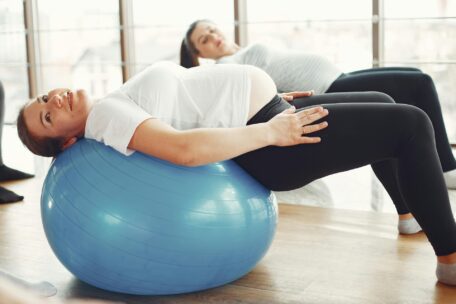
Training Through Pregnancy Finally, we’ve progressed into the 21st Century and realised pregnancy is not a debilitating circumstance, but rather a natural and normal condition where functional physical activity should be encouraged. Gone are the days of wrapping pregnant women in cotton wool, confining them to a total state of rest and warning them to avoid all forms of strenuous activity through fear of complications! Nowadays, women are beginning to embrace the concept of physical activity during pregnancy as a way of reducing the associated effects and promoting the health benefits. If we rewind the clock to pre 1985, we find very little information about guidelines for physical activity during pregnancy.  In fact, most recommendations were largely based on the opinions of health care providers, rather than any scientific research or study evidence. These recommendations followed a very cautious, restricted and limiting approach to participation in physical activity during pregnancy and in most cases actually advised against it. Can you believe it? In 1985, things changed (thank God for the 80’s!). The American College of Obstetrics and Gynecology (ACOG) released its first formal publication containing guidelines for exercise during pregnancy. Whilst these guidelines still followed a relatively conservative approach to physical activity, they were a great way of reassuring women that physical activity during pregnancy was beneficial if done safely. Additionally, it gave fitness professionals a universal guideline to follow, allowing them to advise pregnant clients with confidence. For the next decade, pregnant women were advised (among other guidelines) they could: Continue to exercise during pregnancy if they were active prior to pregnancy, but not to initiate a physical activity program for the first time during pregnancy To maintain a heart rate of less than 140 bpm throughout the exercise session and to limit exercise bouts to a duration of approximately 15 minutes exercise 3 times a week But the more women began to embrace physical activity during pregnancy, the more frustrated fitness professionals and expectant mothers became. Women perceived no adverse effects of exercise during pregnancy and actually experienced more positive effects than their non-exercising counterparts. Yet they were still limited to the boundaries of an overconservative, generic target heart rate and a limited training duration. The guidelines failed to take into account the individual’s pre pregnancy exercise history and fitness levels. Based on emerging research and a more liberal viewpoint from healthcare and fitness professionals, in 1994 ACOG released an updated version of their original guidelines. The revised guidelines acknowledged there was no data to suggest that women should limit exercise intensity and target heart rates. Furthermore, restrictions on exercise duration were removed and women were encouraged to continue to exercise and derive the associated health benefits from a regular exercise routine. As more and more evidence developed to support the benefits of physical activity during pregnancy, (and a lack of evidence to suggest it increased complications) the more relaxed the exercise guidelines became. Health care professionals finally conceded that previous guidelines had been over conservative. Offering a very different outlook from the original guidelines published in 1985, these recent guidelines suggest that:  In the absence of other medical complications, 30 minutes or more of moderate exercise a day on most, if not all, days of the week is recommended for all pregnant women. Previously inactive women (and those with medical complications) should be evaluated before recommendations for physical activity during pregnancy are made, but are encouraged to exercise if safe to do so. This is also the general consensus from most other institutions offering contemporary guidelines for exercise during pregnancy. The Society of Obstetricians and Gynecologists of Canada (SOGC) and the Canadian Society for Exercise Physiology (CSEP) believe women should consider that the risks of not participating in physical activity may actually be greater than the minor risks associated with participating in physical activity. So now the question is; as the guidelines become more relaxed and less defined, how can we as fitness professionals be confident we are providing safe and effective exercises for our pregnant clients?   Here are some practical guidelines that may assist: Always consult a medical professional prior to prescribing physical activity for any pregnant client, especially if the client is experiencing associated conditions. Know (and look for) the warning signs to discontinue exercise Avoid exercising in altitudes above 6000 feet Avoid ballistic movements, rapid changes in direction and extreme end ranges of motion Avoid the Valsalva maneuver Supine positions result in restricted venous return, causing decreased cardiac output and hypertension. Avoid supine positions as much as possible, especially after the first trimester. Avoid prolonged periods of standing, especially in the third trimester. Avoid exercises that may increase blood pressure such as isometric positions, positions where the head is lower than the heart (eg declines) and overhead resistance exercises. Warm-up and cool-down thoroughly for at least 10 minutes. Exercise on soft surfaces, such as grass, carpet, rubberised flooring. Maintain a moderate intensity. Encourage regular, proper breathing during exercise. Change positions carefully and slowly. Monitor body temperature and keep up fluid intake. Exercise in a comfortable, temperature controlled climate. Consume adequate calories and avoid excessive exercise durations to reduce the risk of hypoglycaemia. Select both cardiovascular and resistance exercises that enhance normal everyday functional patterns, core strength and posture. Do not aim to improve fitness levels, but rather maintain them. (Use the increasing physical demands of pregnancy to progress the program, rather than traditional methods of program progression) Provide access to facilities to allow for regular toilet breaks.   And one final piece of advice; Don’t be afraid to work with pregnant clients! The human body is very resilient.  If you follow all the recommended guidelines, then her experience will most likely be a positive one.  You might even find that your toughest challenge is not actually related to exercise, but more about helping her to keep those unusual late night cravings under control! The post Training Through Pregnancy appeared first on Australian Fitness Academy. Finally, we’ve progressed into the 21st Century and

Training Through Pregnancy Read More »

Training Children – Keep them Captivated!

Training Children – Keep them Captivated! I’m a Dad who like many others, spends a major portion of his weekends watching kids sport. I enjoy it for a number of reasons. In general, I like sport and am happy to watch most people ply their skills in the pursuit of athletic performance. Kids sport is interesting, particularly in this day and age where political correctness ensures we must encourage everyone to take part and rewards are based on participation rather than achievement. But I’m going to be very politically incorrect here and ask ‘Why is this necessary’? When I watch kids play sport I am astonished by their level of skill, amazed by their tactical sense and envious of their technique and ease of movement. In their pre-teen years, gymnasts complete giant swings on the high bar, footballers kick banana goals from the boundary line and athletes jump a bar so high they could walk under it! Kids are capable of some amazing athletic performances so why the need to underplay their achievements for the sake of political correctness? Many of them will practice for hours and will push themselves to the point of exhaustion in an effort to achieve a PB or master a new skill. So what is the secret to getting kids involved and how do we encourage those less motivated to participate? My tips for those coaches and instructors contemplating working with kids in the future are:   Have a genuine interest in them Find out what else they do; what school they attend, year level and what interests they have outside of school. Most kids have an interest in a sport or an activity that you can use as a topic of discussion. Ask about it each time you see them. Most kids will respond positively when you ask them about their interests. For example, one of my track athletes is a boy who is also interested in basketball. Each time we catch up we chat about how the team went, how many points he scored, where the game was, etc. It helps him to feel comfortable in communicating with me and it develops the rapport between us.   Make it fun but challenging at the same time The sessions have to be engaging and fun for the participants. It is important to create the right environment from the very first session. If the kids enjoy it they will keep coming back. But there is a balance that you need to be aware of. While the session needs to be fun, it must also be: Conducted in a safe manner whereby the children’s behaviour does not get ‘out of hand’ and become dangerous Arranged to develop good exercise and training habits. For example make sure it includes a warm up and cool down and a structured exercise component that has a specific goal.   Encourage learning and involvement Enable the child to learn while they exercise. Clarify the reason why they are doing a particular activity. For example, while instructing the cool down you might explain, “We are doing this activity at the end of the session because it will help us to recover and reduce the amount of muscle soreness you might feel tomorrow”. Involve the children in the design of the session by encouraging them to have some input. For example, they can select the games played in the warm up or have them lead a stretch in the cool down.   Focus on Improvement Implement ways in which the children can see they are improving through increased fitness (performance), or mastering of a new or more advanced skill. For example, measure how far they can run in a minute or record the number of one legged squats they can perform before they become fatigued and lose their balance. Repeat the activities a few weeks later and record the improvement.   Encouragement – Role Models Take them to see the big boys and girls play! David Rudisha has become the role model for one of my 12 year old athletes. Who is David Rudisha you might ask? Search YouTube for the 2012 Olympic 800 metre final. He is the middle distance equivalent of Usain Bolt (surely everyone knows him!). David Rudisha spent some time training in Australia prior to the Olympics and we met him at a coaching clinic, he signed autographs and spoke about his training and racing. The young athletes were captivated and so highly motivated we couldn’t hold them back – they just wanted to train all day, every day. It doesn’t matter what the sport is, a good role model can provide the inspiration a young person needs to develop lifelong passion for activity. And finally, kids are kids but as I was alluding to in my introduction they are also very capable and knowledgeable. Take on board my tips and you’ll soon find out for yourself! Enjoy!   Written by Steve Hore, AFA National Manager. Amongst a host of other qualifications, Steve is a qualified AA (Athletics Australia) and ATFCA Coach (Australian Track & Field Coaches Association – level 4) specialising in middle and long distance running.     The post Training Children – Keep them Captivated! appeared first on Australian Fitness Academy. Kids are capable of some amazing athletic performances so why the need to underplay their achievements for the sake of political correctness? Many of them will practice for hours and will push themselves to the point of exhaustion in an effort to achieve a PB or master a new skill. So what is the secret to getting kids involved and how do we encourage those less motivated to participate? The post Training Children – Keep them Captivated! appeared first on Australian Fitness Academy. khore{authorlink}https://www.fitnesseducation.edu.au/blog/uncategorised/training-children-keep-captivated/Australian Fitness Academy Training tomorrow’s fitness leaders… https://www.fitnesseducation.edu.au/wp-content/uploads/2020/12/favicon-1.png

Training Children – Keep them Captivated! Read More »

Setting up your PT business – Marketing!

Setting up your PT business – Marketing! Marketing your business in today’s landscape is in many ways much more affordable than it was 10-years ago. Small businesses can now be very competitive on a lower budget mainly thanks to the internet. Gone are the days where you had direct mail, radio, print and TV as your major options. Having said this, the online landscape is highly competitive, especially in the Personal Training arena and while success may not rest solely on budget it does rest heavily on strategy and time invested (which does have a monetary cost at the end of the day!). Here are some ‘old school’ marketing basics that are very worthy of your consideration while setting up your own business… First and foremost – who is your target audience? Yes, you are a Personal Trainer and in the initial stages of your business you may take on any paying client however it’s good to define your target market and to create your marketing presence with them in mind. This will give you a clearer and more consistent message throughout all your marketing activities. Keeping it simple, consider the 7P’s of Service Marketing which are outlined below. When looking at the 7 P’s consider your target clients, what your business is going to look like and what is going to make you stand out from the ‘crowd’. 1. Your Programs (Service): Exactly what are you offering? What problem are you solving for your target clients? What quality are you offering them? What will be their perceived value from your service? Really try to think of these answers from the perspective of a ‘client’ not from your perspective. Talk to people who are in your target market and ask for their feedback. How is your service going to differ from other similar services in your area (what is your point of difference)? 2. Your Price: How much are you going to charge? Consider the prices for the services you offer, 1:1, small group training sessions, bootcamps, etc. What are your competitors charging and offering? What is the perceived value of your service through the eyes of a client? 3. Your Place (Location): Where will you be based? A PT studio, gymnasium, a park? What is the set up involved? Do you need licences to operate (i.e. many councils now require you to have a licence to run PT sessions in local parks)? 4. Your Promotion: Now you know who you are targeting, how much you are charging and where you are based… How are you going to get clients? There’s the traditional PT marketing which should not be overlooked – external signage, promoting to family / friends, building local mutually beneficial relationships, offering complimentary first sessions. (NB: Remember to ensure your local promotional relationships are mutually beneficial as many PTs fall into the trap of offering complimentary sessions with little return!) Don’t underestimate the power of Word of Mouth, the most cost effective form of promotion there is! Ensure your service is second to none, deliver what you say you are going to and ‘ask’ for the sale. Regular clients that are happy will refer you! Many personable, successful Personal Trainers have built their businesses based on word of mouth alone. Finally…. Consistency, consistency, consistency! Keep your message, your look and the quality of your service consistent. 5. Physical Evidence: Your service is intangible however there are tangible elements to your service. How are you dressing, do you have a uniform? What look and feel does your location present? Gain your clients testimonials and USE them to show the tangible outcomes to your service! Take photos at your sessions and before/after shots (with your client’s permission) and post them online. 6. Processes: A very important element of the Marketing Mix that is regularly overlooked by Personal Trainers just starting out. Consider what processes you need to implement – how are you going to take payments (direct debit?), how are you going to manage and track client payments and your expenses? Set up a cancellations policy and make sure your clients are aware of it! Your weekly income relies on clients attending their sessions and no shows (with no notice) need to value your service and still pay for the session that you were there for and prepared to deliver! 7. People: ‘You’ and ‘your trainers’ are perceived as the main component of the service you deliver. You create the culture of your business, you deliver the training, you provide customer service and it is ‘you’ who people will judge as part of the service delivery. Keep this in mind, especially if you get to the stage of hiring Personal Trainers down the track! Whenever you are in uniform you are representing your business, whatever you write or say online is representing your business!   A note on Customer Service… You’ve worked hard to get to where you are, don’t blow it all when it comes to delivering your service.   Always remain professional, ensure your appearance is professional, you are on time (early) for every session, you are organised and show your passion for health and fitness and helping others to achieve their goals! Learn from what works well and just as importantly learn from mistakes you make. “Your most unhappy customers are your greatest source of learning.” – Bill Gates   A note on marketing yourself online… It’s indisputable that the internet plays a major role in today’s society. If you set up your own web site how can you ensure people will be able to find your site on the World Wide Web? What other activities can you do online in order to be found and be seen as reputable? And most importantly how can you tie everything together to ensure you get the most out of your marketing efforts and turn your online presence into enquiries and eventually clients? Search Engine Optimisation (SEO) A massive topic, however to try and sum it up in a

Setting up your PT business – Marketing! Read More »