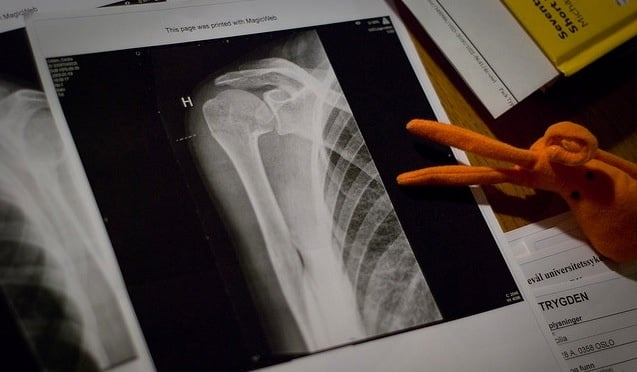
How to Train if You Have an Injury (7 Steps)
How to Train if You Have an Injury (7 Steps) There’s no gentle way to say this – training with injuries SUCKS! The most important thing you can do now is to let yourself heal. However, depending on your injury, there might be quite a few ways to stay active while also recovering. We do this all the time in our Online Coaching Program. We’ll build workouts for clients who are dealing with pre-existing injuries, so they can make the most of their recovery time. Today, we’ll share these same tips with you. A Nerd Fitness Coach can build a workout around existing injuries. Learn more here: Here’s what we’ll cover: Step 1: Preventing Injuries in the First Place (Warming-Up). Step 2: Go See a Doctor. Step 3: How to Mentally Deal with Injuries. Step 4: Testing Movement Around the Injury. Step 5: How to Make the Most Of Your Recovery (Sleep and Nutrition). Step 6: Staying Active While Injured. Step 7: Getting Creative While Working Out With an Injury. How to train with lower-back pain. How to train with an injured wrist. How to train with a knee injury. Can I lift with a hurt elbow? Can I exercise with an injured ankle? Can I exercise with shoulder and/or hip pain? Moving forward with an injury (Next Steps). REAL QUICK: If you’re worried about hurting yourself while lifting, I would encourage you to check out our guide, Strength Training 101: Everything You Need to Know. We cover all you need to begin a strength training practice, from equipment, starting weight recommendations, and proper form techniques to prevent injuries. You can grab it for free when you join the Rebellion below! Download our comprehensive guide STRENGTH TRAINING 101! Everything you need to know about getting strong. Workout routines for bodyweight AND weight training. How to find the right gym and train properly in one. NOTE: I am not a doctor (in fact, I’m not even wearing pants right now). You should really seek medical attention for any injury you receive. Step 1: Preventing Injuries in the First Place (Warming-Up) Now, it should go without saying: the best way to handle an injury is to prevent it in the first place. So always start your training with a dynamic warm-up. Studies have shown that a brief warm-up before your workout can help prevent injuries.[1] Here’s why: You can think of your muscles like rubber bands: Should you start your workout by immediately lifting heavy weights or sprinting really fast, those cold, unstretched rubber bands can get pulled apart very quickly. They can then get snapped or pulled out of shape. Ouch. That’s why every workout should start with a warm-up. We are such big believers of this, that when we program workouts through our Online Coaching Program, we ALWAYS kick it off with a warm-up. It’s one of the tools in our kit to help clients stay injury-free. Want a customized workout plan you’ll ACTUALLY do? Learn more: What’s that? You don’t know how to warm up? No prob. Here’s a beginner warm-up routine you can try: If you want more, check out The 15 Best Warm-Up Exercises & Routines to Prevent Injury. Step 2: When Should I See a Doctor After an Injury? As Coach Jim mentions in the video above, the FIRST thing to do after an injury is to seek a professional. All the internet advice in the world won’t take the place of a single session with a doctor or physical therapist. After you get hurt, really the best thing you can do is have the injury examined by someone who knows what they’re doing. I will say, that not all doctors are created equal… …but that’s not another article. Next, we need to get your headspace in proper order (even if you don’t have a head injury) Step 3: How to Mentally Deal With Injuries The SECOND thing to do right after an injury: realize it’s going to affect you mentally…just as much, if not more than physically. So be prepared! There are numerous studies showing the different negative emotional reactions that people have when injured.[2] But just from the School of the Obvious – if you’ve ever had an injury – you know how it puts you in a bad mood. What may help, is recognizing and reframing negative thoughts, like with some quiet meditation or journaling. Or even seeing a therapist or sports psychologist Just make sure you don’t overlook the mental aspects of recovery. Step 4: Testing Movement Around the Injury After you’ve seen a doctor and prepared for the mental battle ahead, I want you to test all movements. And by test, I mean work through as much of the range of motion of an exercise as possible with zero additional resistance and without feeling any pain. That means if your shoulder bothers you, just see if you can extend your arms all the way above your head. Do this before you even consider doing a push press or shoulder press. After that, make sure to test movements that you don’t suspect will be a problem. A shoulder injury could very well make box jump sessions impossible, due to the arm swing involved in the movement. Try out each movement cautiously! Something to keep in mind: just because you have pain with a push movement, does not necessarily mean you will have pain with a pull movement. I have had a shoulder injury where dips and push-ups were out of the question…but pull-ups were fine. And that is why you should test all movements – you may have more training options than you expect. Then again, your injury may limit movement more than you realize. Last time I’m going to say it – test. Step 5: How to Make the Most Of Your Recovery (Sleep and Nutrition) Next, rest. And by rest, I mean completely stop doing movements that cause you pain until you are healed. If you feel any pain
How to Train if You Have an Injury (7 Steps) Read More »