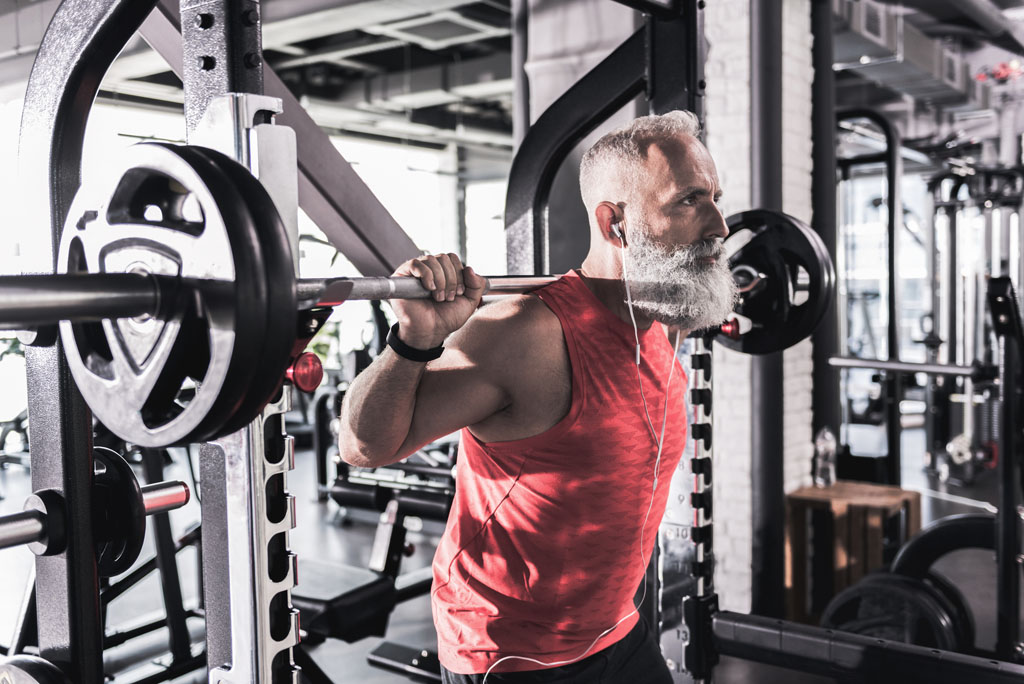
Barbells

Auto Added by WPeMatico

Becoming A Powerlifter as You Age – Why You Should Do It

Becoming A Powerlifter as You Age – Why You Should Do It It’s never too late to get strong as you age – and powerlifting for seniors is one of the easiest and most productive sports to pick up. When I say powerlifting, you might think it’s a young person’s game, but that couldn’t be further from the truth as 71-year-old Toni Wolfe has found out. The Australian great-grandmother recently set a world masters powerlifting record in the Global Powerlifting Committee competition. With a record-breaking 140kg deadlift at 69.5kg bodyweight! We examine powerlifting for seniors – even if you have no experience. Health Benefits of powerlifting as you age Reason 1: It’s Not What You Think It Is Powerlifting sounds like it’s going to ruin your joints, destroy your body, and is cut out for the toughest people. “The reality is the opposite: strength training is one of the safest things you can do for your body and powerlifting has one of the lowest injury-per-hour rates of any sport. You stay safe as you build both strength and muscle mass. Regular training produces stronger bones, healthier joints, better core strength, and protects you from long-term muscle weakness. It’s also friendly and welcoming, with a community of likeminded people who want to see you succeed. This makes it one of the best sports to get into as you age, where the social impact is huge, and everyone is super happy to see you. Everyone loves older competitors prove that athletic success has no age limit! See here for getting started, powerlifting for over 50.   Reason 2: Powerlifting for Seniors -It’s Essential for Health The way you age isn’t just a slide toward frailty – it’s all about what you do. Age doesn’t mean decline; it means your body starts to reflect your lifestyle. Adding strength training is one of the best ways to combat age-related muscle loss (sarcopenia) and strength/power loss (dynopenia). These are two of the most common conditions associated with lower quality of life, loss of independence, and early death as we age. An 80-year-old weightlifter has the muscles and skeleton of a 40-year-old person. It’s hard to overstate the powers of strength training to prevent frailty and reduce the effects of aging on the muscles and bones. Powerlifting training is a safe, healthy, proactive way to improve your health and even reverse the negative effects of aging by building muscle. Other amazing benefits include: Easier weight management Stronger bones: Prevent loss of bone density Significant improvement to mental health Improved metabolic health and insulin control Improved heart and circulatory system health Regulated hormones Better long-term cognition and ‘brain aging’ Better sleep quality Improved mental health & cognition It’s hard to argue with benefits to every area of your life!   Reason 3: Powerlifting for Seniors – You can be competitive whenever you start Many athletic traits will sharply decline with time – no matter what you do, you can’t be as fast as a 21-year-old. However, strength is persistent. You can build strength easily whatever your experience, and without damaging yourself. You can become – and remain – strong for much longer than most other changes to the body. Getting strong can happen at any age and it can happen quickly, in relative terms. For example, a few years of powerlifting training can make you competitive in your local or national masters powerlifting federations – and what’s a few years? Time brings maturity and perspective, hopefully, and it can be converted into smarter, more effective training than your average 20-something. If you focus on sustainability and the right approach, you can become competitive at any age.   Final Thoughts It’s no exaggeration to say that regular strength training can be the fountain of youth, health, and happiness we’re all looking for. Powerlifting in particular is a sociable, supportive sport full of people who appreciate long-term growth and health. If you’re looking for a new way to exercise and socialise, but you don’t enjoy cardio, then try powerlifting. It’s far more accessible than you might think. Check out your local powerlifting societies and barbell clubs – where you’ll find friendly trainees and experienced coaches – try the USAPL club finder for your local affiliated club. Get started now to boost your health, find new confidence, and prove to yourself that you’ve got what it takes to become really strong. Challenge the status quo!   The post Becoming A Powerlifter as You Age – Why You Should Do It appeared first on FitNotch. It’s never too late to get strong as you age – and powerlifting for seniors is one of the easiest and most productive sports to pick up. When I say powerlifting, you might think it’s a young person’s game, but that couldn’t be further from the truth as 71-year-old Toni Wolfe has found out. The Australian … Becoming A Powerlifter as You Age – Why You Should Do It Read More » The post Becoming A Powerlifter as You Age – Why You Should Do It appeared first on FitNotch. Masab Jamal{authorlink}https://fitnotch.com/becoming-a-powerlifter-as-you-age-why-you-should-do-it/FitNotch The Hub of Fitness and Workout Equipment reviews https://fitnotch.com/wp-content/uploads/2020/05/fit-fav.jpg

Becoming A Powerlifter as You Age – Why You Should Do It Read More »
How to Design a Functional Home Gym in a Small Space

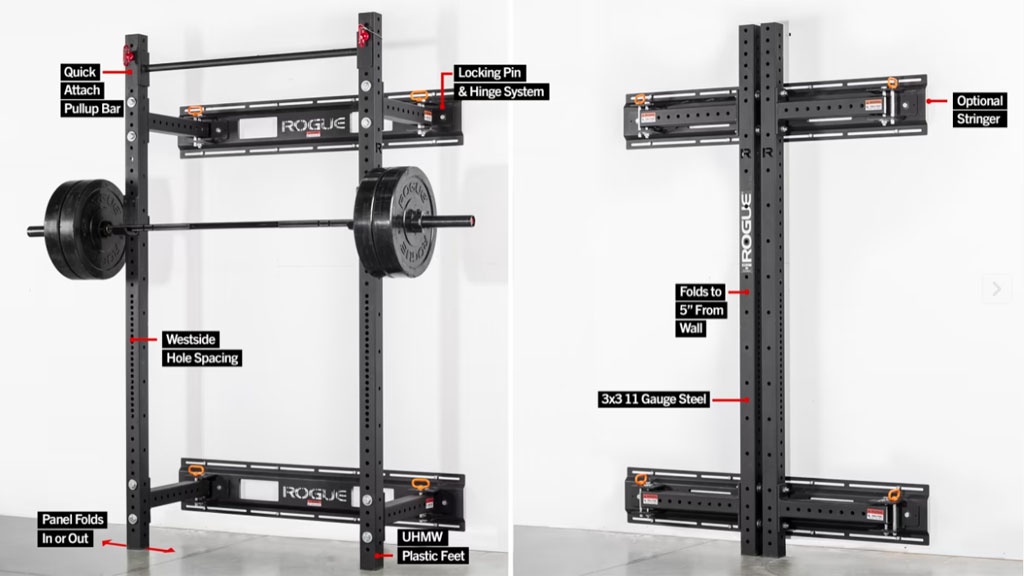
How to Design a Functional Home Gym in a Small Space You don’t always have endless space for a home gym; sometimes the limitations are as simple as 4 brick walls and a lot of kit. Today, we’re looking at the best ways to design a functional home gym in a small space. How to save space How to plan your home gym Tips and tricks for small spaces Keeping cool in cramped spaces Arranging your equipment: What do you have? The first step to building a functional home gym in a small space is taking into account what you have, what you need, and your space. The best place to start is making a scale “bird’s eye view” representation of your home gym. While it may sound complicated it’s as simple as taking measurements and plotting it onto a piece of paper. Then you can cut out smaller-scale models of your main equipment. Check their footprint and use this to reorganize your space. This makes planning your home gym and your specific equipment much easier. Make sure to measure the footprint of all of your equipment twice, and never forget the height; you need to make sure that equipment in use has enough headroom. “Think about how you’ll be positioned when using it: a pull-up bar is fine but you need the headspace to use it!” Space-saving solutions Space-saving equipment makes any home gym easier to plan – consider using wall-mounted equipment. This can dramatically reduce the amount of floor space taken up by your equipment. Some great examples include: The wall-mounted squat rack Rouge RML-3W Fold Wall Mount Rack Wall-mounted cable machine Pull-up bars instead of stands Collapsible weight benches by Rouge These save space if you’ve got the walls and the know-how to put them together. They can also be more expensive than free-standing options, but it’s a worthwhile spend if you can afford the extra upfront cost. You can also get multi-purpose items that offer more space efficiency. Rogue has some excellent examples for this – such as their Monster Squat Rack shelf, which uses the excess space in your squat rack for storage shelves. Monster Squat Rack Shelf Alternatively, their 3-tier shelving system uses vertical space more effectively. Keep in mind that going higher may be the solution for gym spaces limited on floor space. Look for squat racks with weight storage pegs and pull-up bars, for example, to get better use of your home gym. These are clever solutions to create your functional home gym in a small space. Protecting the floor Protecting your floors is key because re-laying concrete can be an expensive and timely process. It also makes it harder to lift on an uneven floor, so be sure to set out matting or other floor protection. Things like rubber puzzle mats are popular – and the thicker the better. These protect your floor and ensure a firm but comfortable surface to lift on. Make sure your flooring is non-compressible. The last thing you want is to start a heavy deadlift, only to find that you’re wasting all that force simply squishing an EVA foam floor! Checking wall construction If you want to save space and use wall-mounted equipment, you need to make sure your walls can bear the load. Make sure you’ve got a good idea of the layout of your pipes and wires in the wall, and a good idea of what the frame can hold,  before you start drilling into things. This is essential in homes with a lot of plasterboard: make sure you get the stud detector out and double-check all layouts. Strong, interior walls are great for supporting a home gym, but they’re no use if you start damaging your essential utilities.   Ventilation: heating, cooling, and airflow Climate control for your gym comes down to where you live and how your home is built. You might be fine training in your basement in a mild climate, but that’s completely different from training in the garage in a hot, humid place. Cooling is simple enough – you can invest in a dedicated air conditioning unit or, more simply, a really big fan. Heating is more expensive but is easy with a simple space heater. These can cost a fair amount on electricity use, so be willing to just add an extra layer to your training outfit. Make sure you isolate any drafts, making the most of your home climate – consider re-insulating your home gym space. Ventilation can be difficult if you don’t have windows. You can install an extractor fan or air brick, but these require some technical know-how. Alternatively, try a simple dehumidifier to keep your space cool while you work up a sweat. The post How to Design a Functional Home Gym in a Small Space appeared first on FitNotch. You don’t always have endless space for a home gym; sometimes the limitations are as simple as 4 brick walls and a lot of kit. Today, we’re looking at the best ways to design a functional home gym in a small space. How to save space How to plan your home gym Tips and tricks … How to Design a Functional Home Gym in a Small Space Read More » The post How to Design a Functional Home Gym in a Small Space appeared first on FitNotch. Masab Jamal{authorlink}https://fitnotch.com/how-to-design-a-functional-home-gym-in-a-small-space/FitNotch The Hub of Fitness and Workout Equipment reviews https://fitnotch.com/wp-content/uploads/2020/05/fit-fav.jpg

How to Design a Functional Home Gym in a Small Space Read More »