7 Natural Remedies for Seasonal Allergies
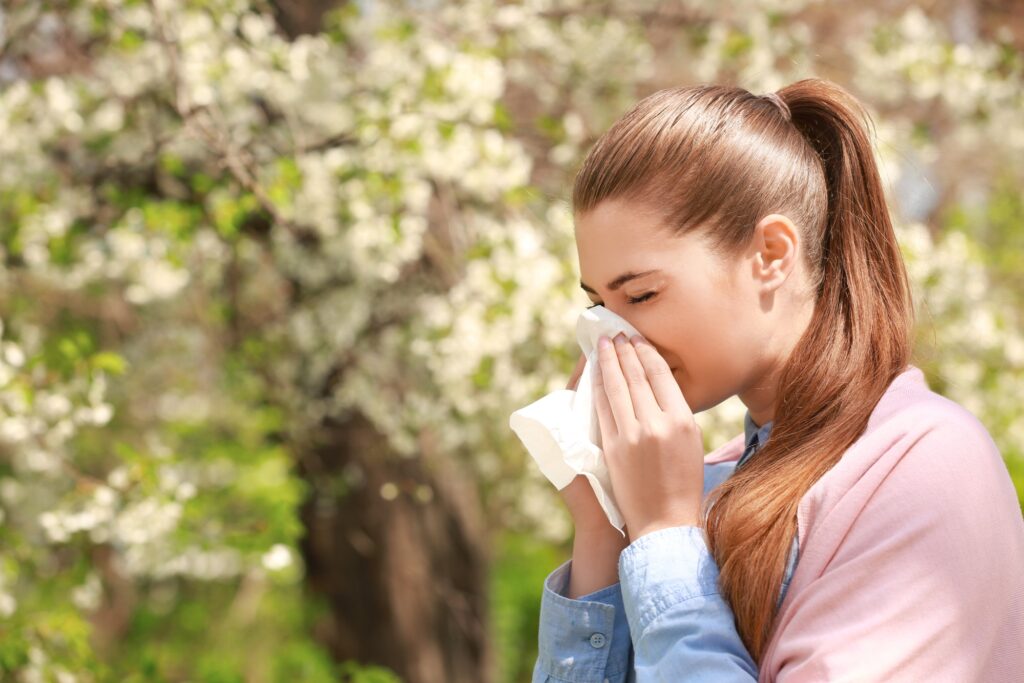
7 Natural Remedies for Seasonal Allergies If you’re familiar with the unpleasant symptoms of seasonal allergies, you certainly aren’t alone. According to the Asthma and Allergy Foundation of America, roughly 50 million Americans suffer from nasal allergies—and that number has increased two to threefold since the 1970s. Over-the-counter antihistamines can help manage symptoms, but they’re not cure-alls (and can sometimes cause unwanted side effects). Because of that, we’ve rounded up a few natural ways to treat seasonal allergies and the reasons behind all those dreaded sniffles and sneezes. What Causes Seasonal Allergies? Whether you suffer from fall or spring allergies, the main culprit behind them is all that pollen floating around during allergy season. For allergy sufferers, the body mistakes harmless pollen for something dangerous and releases histamine in an attempt to attack it—thus the reason behind your coughing, runny or stuffy nose, or itchy, watery eyes. (And also the reason for your antihistamine medication.) Photo Credit: Depositphotos The main types of allergy-inducing pollen include: Tree pollen from birches, oaks, elms, and maples during spring. Pollen that is shed from grasses in late spring and summer. Ragweed pollen in the fall. Mold spores during the spring, summer, and fall. These can cause year-round allergies if you live in a building with too much moisture (high indoor humidity, water damage, or poor ventilation). What Are Seasonal Allergy Symptoms? The most common symptoms of seasonal allergies include: Sneezing Stuffy nose/congestion Itchy eyes, nose and throat Runny nose and eyes Post nasal drip Fatigue Coughing A case of allergies can also make you feel run down, tired, and fuzzy-headed. Allergies vs. A Cold How can you tell if all those unpleasant symptoms are caused by pollen or the common cold? Here are a few key differences to look out for: Allergy symptoms tend to come on quickly, around the same time each year. (You’re probably not getting a “cold” every spring or fall!) Cold symptoms can gradually get worse over time. Cold symptoms typically disappear after a week or so, whereas allergy symptoms can last weeks or months (or as long as you’re exposed to an allergen). Seasonal allergies are more likely to cause itchy, watery eyes. If you have a fever, it’s more likely a cold or the flu, since allergies do not cause one. A cold can be accompanied by yellow or greenish nasal discharge, but nasal discharge from allergies is clear and thin. If you believe you’re struggling with seasonal allergies, the best thing to do is get tested by your medical provider to find the responsible allergen. Allergy tests can be done on the skin or through a blood test. Related: 11 Best Immune Boosting Foods To Add Into Your Diet Today The Best Natural Remedies for Seasonal Allergies Here are some natural ways to combat those pesky allergy symptoms: 1. Add More Probiotics to Your Diet Studies published in the American Journal of Clinical Nutrition and the North American Journal of Medicine and Science show that increased probiotic intake can help curb nasal allergy symptoms (also known as allergic rhinitis or hay fever). The former study found that probiotics might increase the human body’s percentage of regulatory T-cells, which can improve tolerance to hay fever symptoms. Fermented foods are the main source of probiotics. The most common foods rich in probiotics include: Yogurt Cottage cheese Buttermilk Kefir Saurkraut Kimchi Miso Maintaining a healthy gut can also help promote your body’s production of short-form fatty acids (SCFAs), which contain anti-inflammatory properties that improve the immune system’s response to allergens. 2. Shower at the End of the Day Whenever you enter your home from outside, you’re dragging in allergens with you. Showering at the end of the day helps wash away allergens that can get trapped in your eyelashes, ears, skin, or hair. The hot steam can also help open up nasal passages and relieve congestion. Be sure to change into fresh clothes, too—particles can hang around on your shoes, shirts, pants, jackets, hats, or anything else you wear outdoors. Photo Credit: Depositphotos 3. Flush Those Sinuses Whether you use a neti pot or a squeeze bottle, research shows that nasal irrigation can help combat nasal allergies. It can help flush away bacteria, thin mucus and reduce postnatal drip. No matter which method you choose (a neti pot, bulb syringe, etc.), you’ll want to gently flush one nostril at a time over the sink with a saline solution until it comes out of the other side. If you suffer from chronic allergies, a neti pot is a good option to consider. You can purchase one at most pharmacies or drugstores, and it includes instructions on preparing the saltwater rinse. You can also try a saline nasal spray to help clear out your nasal passages. 4. Get Some Exercise It may be the last thing you want to do when suffering from allergies, but it can help! Research has found that moderate-intensity exercise can significantly improve allergic rhinitis symptoms. Moreover, exercising improves blood vessel circulation in your nose—so you may actually find relief from your nasal congestion. Try walking or jogging for 30 minutes or go for a quick bike ride—your nose will thank you. Photo Credit: Shutterstock Related: Ab Workout at Home: Best Core Exercises (No Equipment) 5. Allergy-Proof Your Home One of the best ways to ease seasonal allergy symptoms is to keep up with household cleaning to keep your indoor air allergy-free! Here are some tips for keeping your home as allergy-free as possible: At least once a week, wash your bed sheets, pillowcases, and comforters in hot water at least 130 degrees Fahrenheit—the temperature needed to kill dust mites. Don’t let your laundry air-dry outside since it can pick up pollen and mold. Try not to use scented detergents or cleaners, as they are considered allergy triggers. Vacuum at least once a week to help remove dust and other allergens, such as pet dander or pollen that’s found its way inside. Scrub bathroom tiles regularly to avoid mold build-up. Keep the windows closed to
7 Natural Remedies for Seasonal Allergies Read More »